

















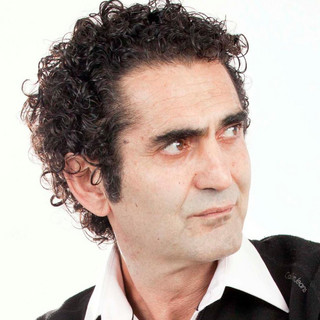
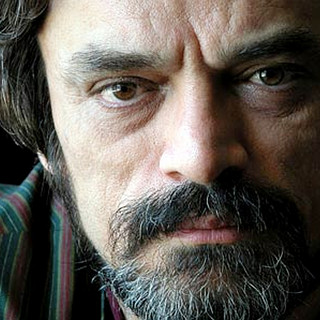
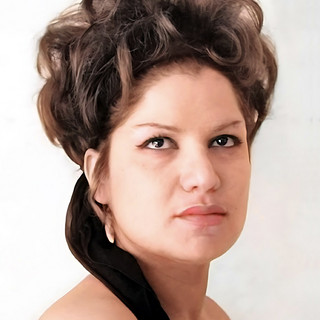


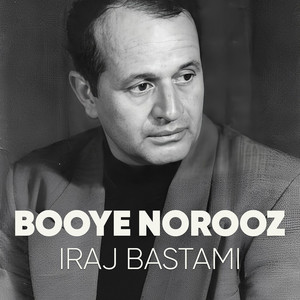


The Persian Classical & Traditional Chart
Classical Persian music is measured on a different clock. The artists on this chart built their reputations over decades, often around the radif — the traditional repertoire that Persian classical singers and instrumentalists train in for years — and their audiences arrive steadily rather than in bursts. This page ranks Persian classical and traditional artists by the same public streaming figures used everywhere else on FarsiChart, which makes it one of the few places the genre is counted at all. FarsiChart tracks 279 Iranian artists across Spotify and RadioJavan in total.
What the classical chart looks like today
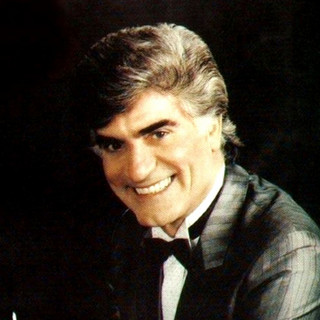
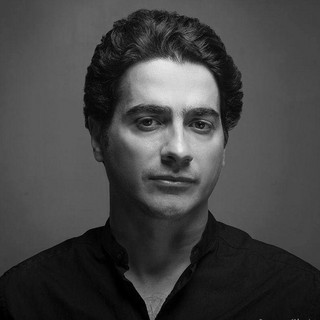
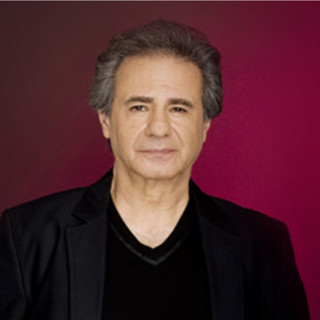
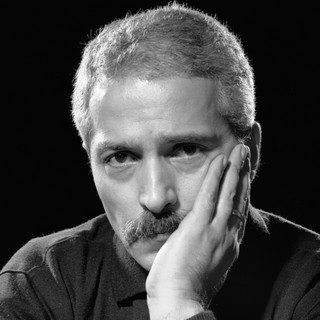
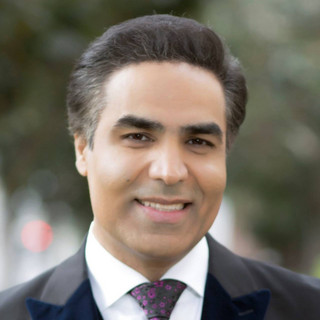
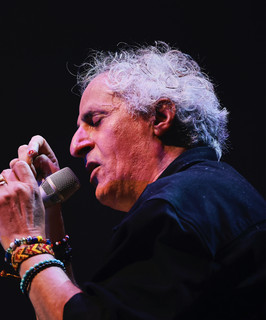
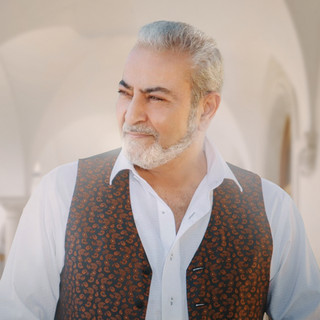
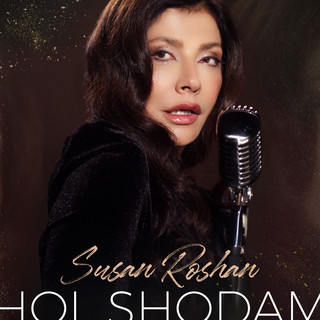
As of July 27, 2026, Moein currently leads Ebi by roughly 8,900 monthly listeners — close enough that one strong release could erase it inside a week. The whole top 10 sits inside a band of about 145,000 listeners; the tighter that band, the faster positions change hands. One thing only two numbers side by side will tell you: the largest follower base here belongs to Hayedeh, who sits at #3 by monthly listeners — followers measure loyalty banked over years, monthly listeners measure who is being played right now.
How Persian classical artists are ranked here
The method does not change for genre: Spotify monthly listeners and RadioJavan plays, refreshed every 24 hours, with no editorial weighting. What changes is how the numbers behave. Classical figures move in narrow, predictable ranges, so a shift that would be unremarkable on the rap chart is genuinely notable here — a jump usually traces to an anniversary, a reissue, or a film or television placement that introduced an old recording to a new audience.
Why the classical numbers behave differently
Streaming rewards repetition, and classical Persian music is repeat listening by nature: long pieces, patient arrangements, and recordings people return to for years rather than weeks. The practical effect is that this chart is the most stable list on FarsiChart. Positions hold for months, follower counts are unusually high relative to monthly listeners — the signature of an audience that committed long ago — and an artist can remain among the most-streamed Persian voices for years after their final recording.
Frequently Asked Questions
Who is the most streamed Persian classical singer?
The current leader by Spotify monthly listeners appears at the top of this page. Unlike the rap and pop charts, this position tends to hold for long stretches, because classical listening patterns change slowly.
What counts as Persian classical or traditional music here?
Artists working in the classical Persian tradition — vocalists trained in the radif, and instrumentalists playing instruments such as the tar, setar, santur, ney and kamancheh — as categorised in the FarsiChart artist database.
Why are classical artists' follower counts so high compared to their listeners?
Followers accumulate permanently while monthly listeners reset every 28 days. A classical artist with a long career banks decades of followers, so the ratio between the two numbers is typically much higher here than on the pop or rap charts.
Do artists who have passed away still appear on this chart?
Yes. The chart measures what people stream, not who is currently recording, and several of the most-played voices in Persian classical music are no longer with us. Removing them would misrepresent what is actually being listened to.
Source: FarsiChart (farsichart.com), from public Spotify and RadioJavan figures, recorded as of July 27, 2026.